Driving Sustainability. Pioneering Progress.

Where long-term sustainability really begins

Driving Sustainability. Pioneering Progress.

Where long-term sustainability really begins

The hidden resource challenge in rail infrastructure 

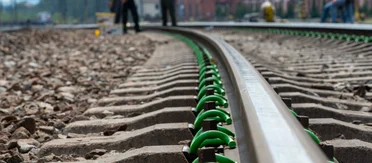
As awareness of climate change grows, the industry continues to strengthen its commitment to reducing emissions and using resources more efficiently. But even the most sustainable transport systems still face hidden challenges. Railways are designed for longevity. Yet many rail fastening components are exposed to continuous mechanical stress and environmental influences.

Over time and due to harsher environmental conditions, conventional fastening systems wear out faster and need to be replaced. Each maintenance cycle involves logistics, manpower, materials, and energy. In large rail networks, these recurring interventions add up to a significant environmental footprint.

In other words: Even sustainable transportation systems have to constantly improve the efficiency of their infrastructure.
Download the whitepaper!

"For us, sustainability means developing systems that last longer and require fewer track maintenance operations. That’s why we’ve specifically improved the material, geometry, and manufacturing processes for our M-Generation.'
- Nicole Wiethoff, Vice President System Technology

Rethinking sustainability at the component level

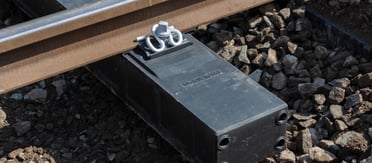
Sometimes the greatest impact comes from optimizing existing fastening components. Rail fastening systems play a crucial role in track performance. Their durability, material efficiency and maintenance requirements influence not only operational reliability, but also long-term resource consumption. 

Extending maintenance intervals, reducing material consumption, and simplifying logistics can therefore make a significant contribution to sustainability. 

The M-Generation was developed specifically for this purpose.

Download the whitepaper!

Efficient design

Compact construction reduces material usage and weight, thereby lowering transportation costs and resource expenses.

Sustainable production

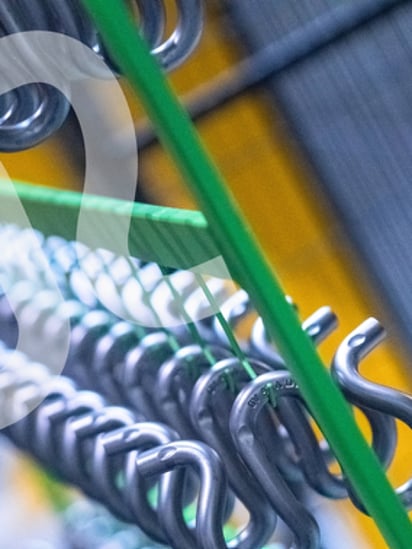
Optimized manufacturing processes using micro-alloyed steel, using low-stress bending, and an optimized hardening process.

Significantly reduces energy consumption

Cutting CO₂ emissions by more than 65 % while maintaining full performance.

Robust and durable

Optimized geometry increases durability, reducing wear and extending maintenance intervals.

Easy implementation

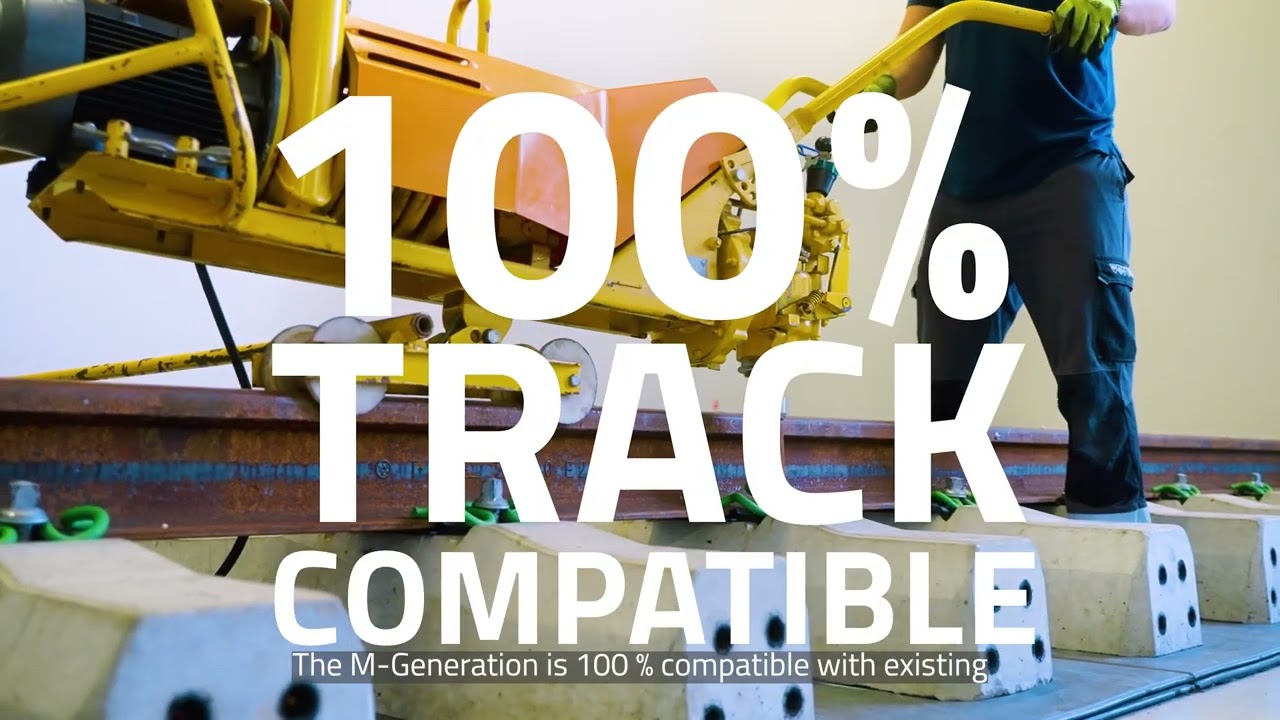
Fully compatible with existing fastening systems, enabling direct replacement with standard track equipment without additional work on the sleepers. Together, these factors contribute to both lower life cycle costs and a reduced environmental footprint.

Sustainability does not only start with trains or energy supply.  Sustainability means lasting performance

Sometimes, improving sustainability begins with rethinking the smallest components. In rail infrastructure, fasteners operate quietly in the background, yet they influence maintenance cycles, material consumption and operational efficiency over decades. 

Understanding how fastening technology contributes to sustainability requires looking deeper into the full picture. 

Efficient. Sustainable. Compatible.

Download the whitepaper!

Discover the next generation of our tension clamps  

Fill in the form to access and download our exclusive whitepaper to discover how stability, robustness, and sustainability are shaping the next generation of fastening systems.
For even deeper insights, you can also register for our upcoming webinar, where our experts will expand on key topics, share practical applications, and answer your questions live. 

Download the whitepaper now!

Less downtime. Less CO₂. Less complexity.

Ready to make that happen?

BenefitsSolutions that shape railway infrastructure worldwide

Innovation rarely comes out of nowhere. It rather builds on experience. For over a century, we have been contributing to the development of modern rail fastening systems. From early fastening systems to the invention of the M-Generation tension clamp, our solutions continue to shape railway infrastructure worldwide to this day. 

This know-how forms the basis for identifying future requirements at an early stage and translating them into new system solutions. In order to operate tracks in a stable and reliable manner in the long term, these challenges must be approached holistically.

Download the whitepaper!